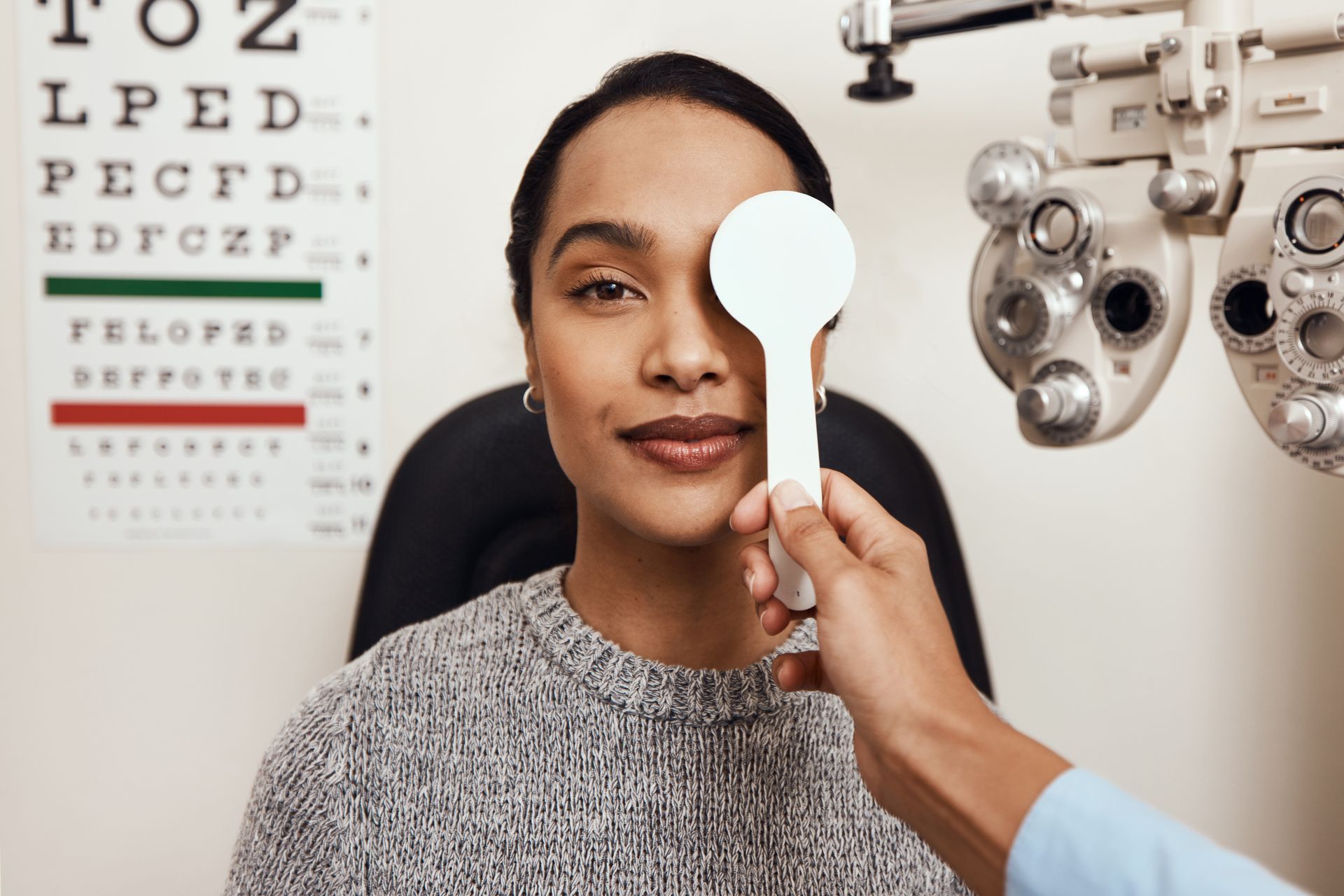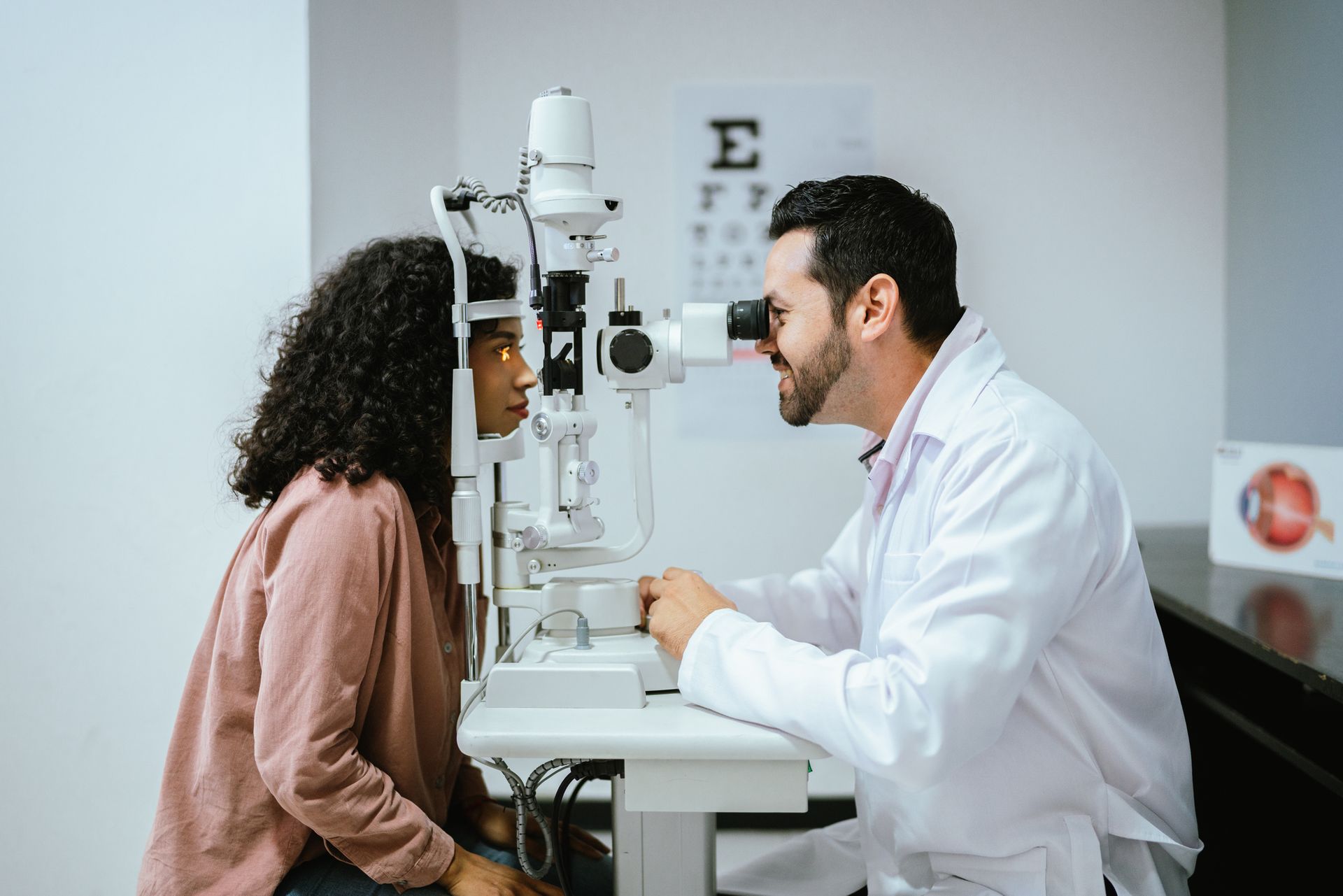
Top Signs You Need to Schedule an Appointment With an Eye Doctor
Blurry Vision That Will Not Go Away
Blurry vision is one of the most common reasons people finally call an eye doctor. It can affect one eye or both, and it may come and go throughout the day. When blurriness lingers or keeps coming back, it is worth getting checked out sooner rather than later.
Blurry vision can be the result of a number of different conditions or situations. A professional can determine if the problem is more medical or visual in nature by running the appropriate tests and then advising you on what steps to take next. In some cases, blurry vision may simply mean your prescription has changed. In others, it can point to something that needs medical attention.
High sugar levels can cause intermittent blurry vision. By examining the blood vessels in the retina, doctors can often determine whether a patient should undergo further testing for diabetes. That is one reason eye exams can catch health issues you may not even suspect.
Frequent Headaches With No Clear Cause
Headaches happen for many reasons, but your eyes may be the source more often than you think.
One very common cause of headaches is strain on the eyes. When one or both of your eyes are working harder than they should have to, this fatigue can contribute to the onset of a headache. A routine vision exam can often uncover the issue and remedy the problem.
If you find yourself reaching for pain relief after long stretches of reading, screen time, or driving, that pattern may be pointing to a vision issue. An eye doctor can help rule out or confirm eye strain as the cause.
Squinting to See Clearly
Squinting is something many people do without realizing it. You might squint at road signs, at your phone, or at the TV from across the room. While it can temporarily help you focus, it is also a sign that your eyes are struggling.
Squinting often points to nearsightedness, farsightedness, or astigmatism. These are very common and correctable conditions. If you or your child squints frequently, scheduling a visit with an eye doctor is a smart next step.
Eye Strain and Tired Eyes
Eye strain is becoming more and more common, especially with so many people spending hours each day looking at screens. Your eyes may feel tired, sore, or dry after long work sessions or extended device use.
Similar to general body checkups and regular dental checkups, eyes should be routinely monitored as well. Your vision may not be the same as it was a few years ago. You may need glasses or contacts for the first time or, if you already have them, you may need a different prescription. Persistent eye strain is often a clue that your prescription needs updating.
Seeing Spots, Floaters, or Flashes of Light
Most people notice floaters at some point in their lives. They appear as tiny specks, threads, or shapes that drift across your field of vision.
"Floaters" is the common term for spots or lines in your vision. They are usually age-related and are quite normal, but professionals can run tests to determine whether a perceived floater is actually a symptom of a more serious condition.
Red, Itchy, or Irritated Eyes
Red or itchy eyes are easy to dismiss as allergies or tiredness. But they can sometimes point to something that needs professional care.
Itchiness or red eyes could be the result of any of a number of factors. Some of the most common causes are allergies and dryness, but it could be something more serious like a cornea scratch.
A professional team can determine the cause, prescribe eye drops to soothe the irritation, and take any further steps as necessary to ensure the problem is rectified and is less likely to reoccur. Do not assume red or irritated eyes will clear up on their own, especially if they have lasted more than a day or two.
Difficulty Seeing at Night
Struggling to see while driving after dark is a sign that should not be ignored. Night vision issues can make everyday activities more difficult and potentially unsafe. This type of problem may be linked to a change in your prescription, early cataracts, or other conditions that an eye doctor can screen for during a routine visit.
If you find yourself avoiding nighttime driving or needing more light to read than you used to, it may be time to book an appointment.
It Has Been More Than a Year Since Your Last Exam
You do not always need a specific symptom to justify seeing an eye doctor. Many conditions develop quietly, without obvious warning signs.
A yearly eye exam is one of the most effective tools for catching problems early, even when your vision feels fine. A knowledgeable staff can perform a simple routine eye test and screen for a number of eye conditions that do not always have easily recognizable symptoms. Conditions like glaucoma, for example, can progress without noticeable changes to your everyday vision until damage is already done.
When to Seek Urgent Eye Care
Some eye symptoms should not wait for a scheduled appointment. If you experience any of the following, contact an eye care provider right away.
- Sudden loss of vision in one or both eyes.
- A dark curtain or shadow appearing in your field of view.
- Severe eye pain or pressure.
- Sudden increase in floaters or flashes of light.
- A foreign object in the eye.
If you suspect something may be wrong with your eyes, it is best to consult a medical professional. Never just assume they will go back to normal or that it will fix itself. Early care can often prevent a temporary issue from becoming a lasting one. You can learn more about what a
medical eye exam involves before your visit.

Do Not Wait for Vision Problems to Get Worse
Your eyes are one of your most important senses, and the signs above are worth taking seriously. Whether you are dealing with blurry vision, headaches, or red eyes, or whether it has simply been over a year since your last visit, getting checked can give you peace of mind and help catch problems before they grow. Arkansas Eye Care Associates is here to help. The team offers routine and medical eye exams, contact lens fittings, and Optomap imaging in a convenient, walk-in-friendly setting.
Request an appointment online. You can also find them on Google Maps at
Arkansas Eye Care Associates.