What Eye Conditions Can Be Detected During a Yearly Eye Exam in Springdale, AR?
A yearly eye exam does more than check whether you need new glasses. It can uncover serious eye diseases and whole-body health conditions before symptoms ever appear. Arkansas ranks among the highest states for diabetes prevalence at 15.3%, so routine eye exams carry extra importance for residents in the Springdale, AR, area. This article explains the key conditions a Yearly Eye Exam can detect and why scheduling one each year may protect both your vision and your overall health.
Why a Yearly Eye Exam Catches More Than You Might Expect
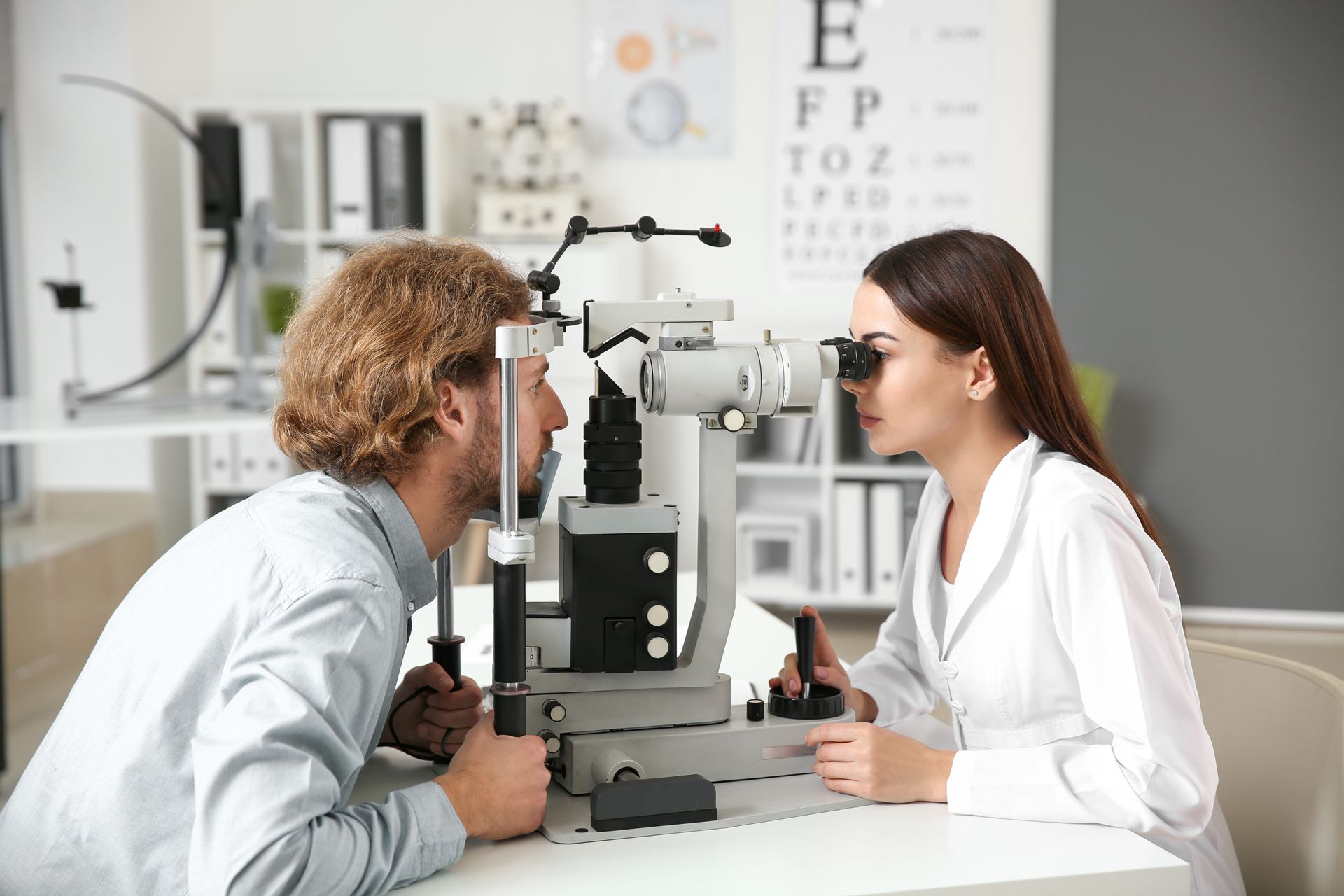
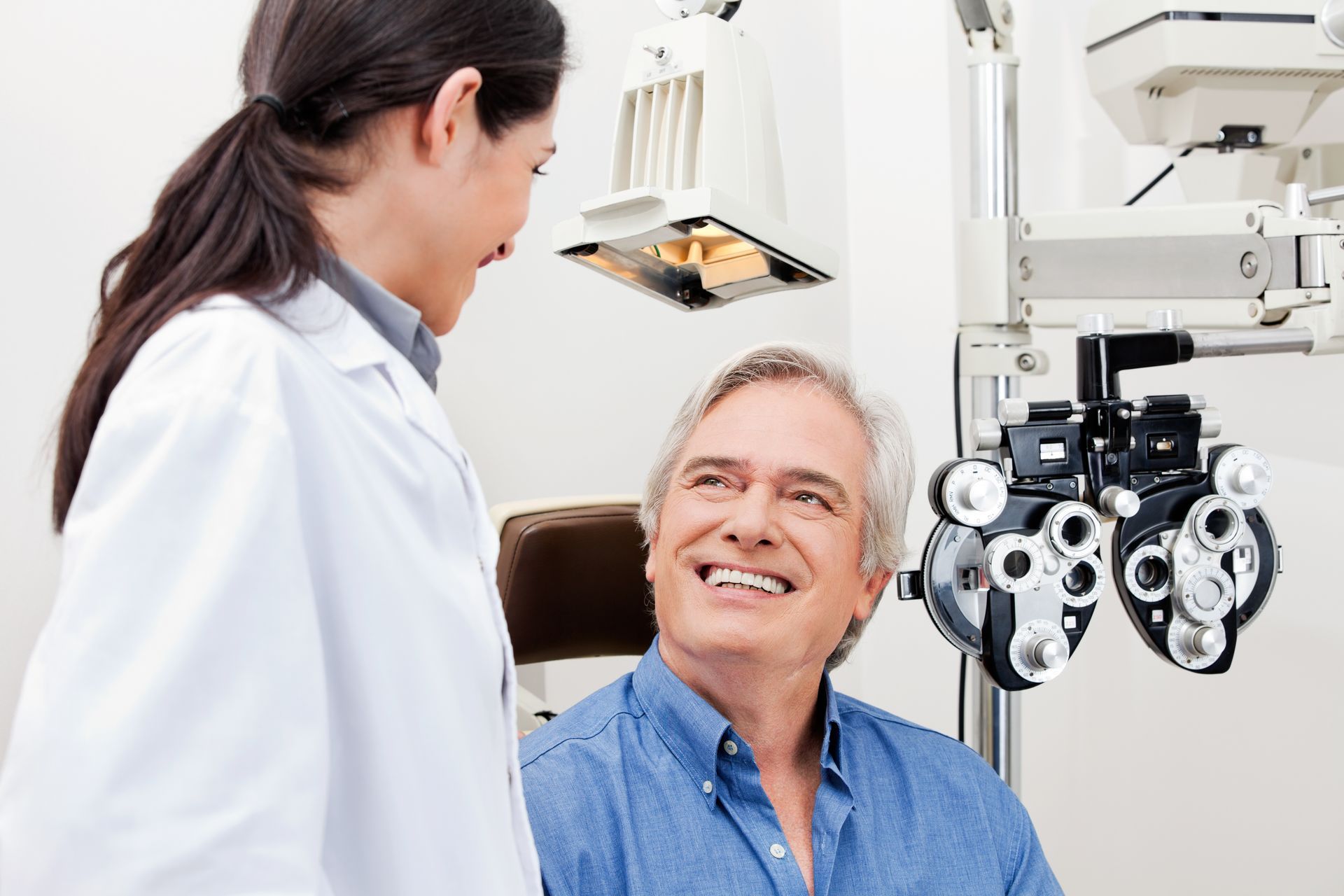
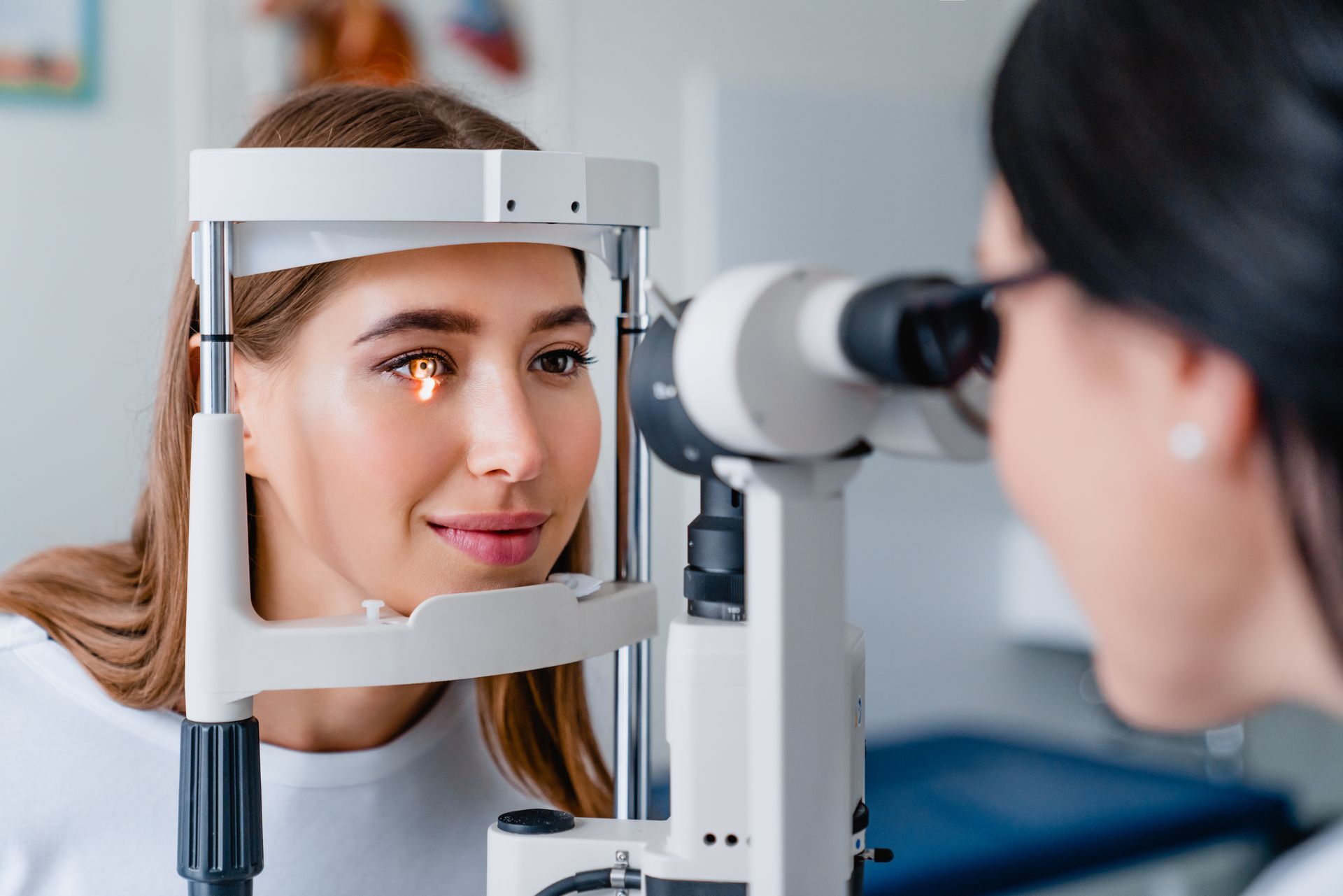
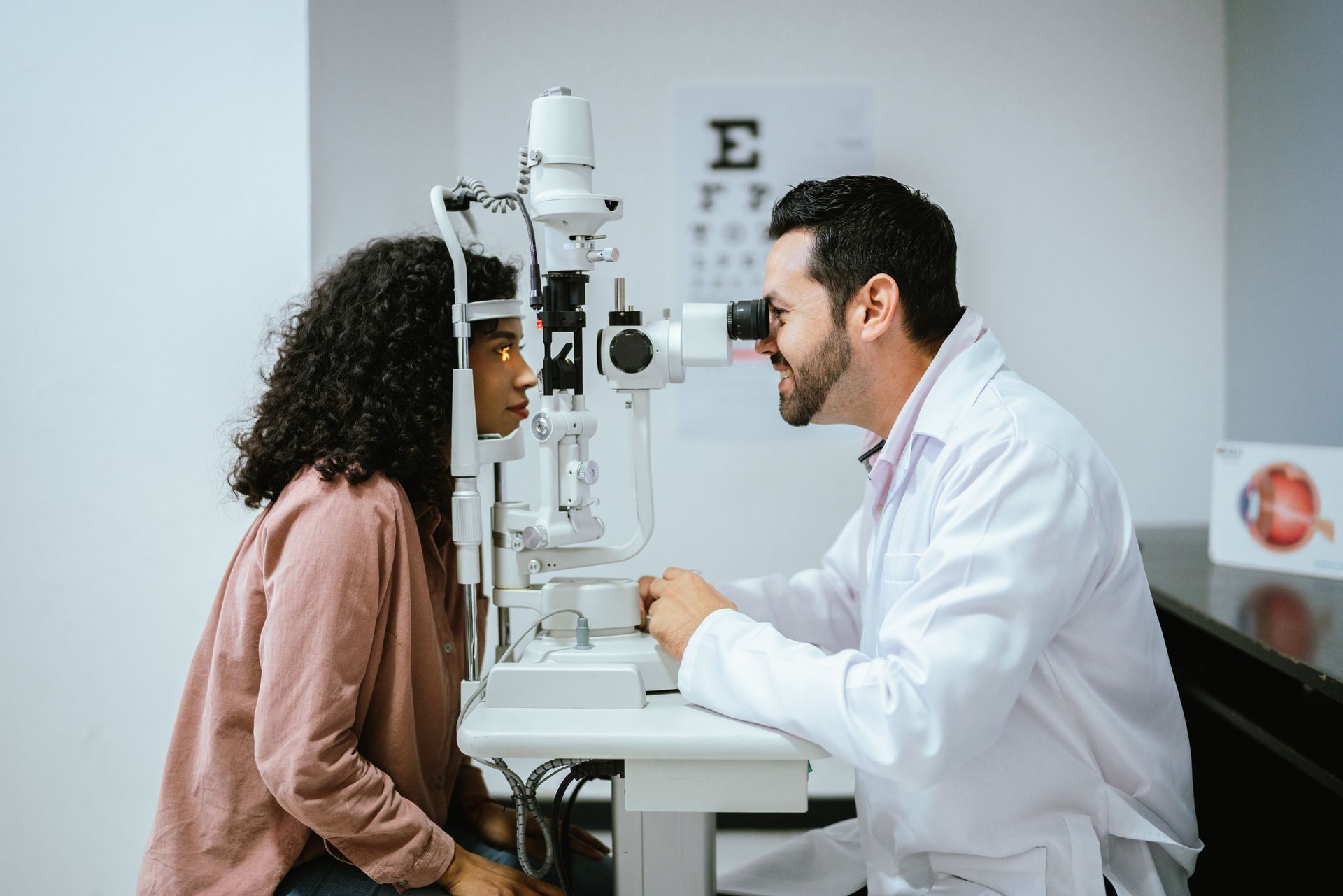
A routine eye exam goes well beyond reading an eye chart. Doctors use specialized equipment to examine the structures inside and behind the eye. This can reveal damage, disease, and pressure changes that you would not feel or notice on your own. Many serious conditions progress silently for years, and an annual exam may be the only way to catch them early.
List of services
-
GlaucomaList Item 1
Glaucoma is one of the leading causes of blindness in the United States, and it often causes no pain or vision changes in its early stages. During a yearly exam, your eye doctor measures the pressure inside your eye and examines the optic nerve for signs of damage. Elevated eye pressure and structural changes to the nerve can appear long before any noticeable vision loss occurs. Early detection gives patients more treatment options and a better chance of preserving their sight.
-
Macular DegenerationList Item 2
Age-related macular degeneration (AMD) affects the central part of the retina and can gradually blur the sharp, central vision needed for reading, driving, and recognizing faces. A yearly eye exam typically includes pupil dilation or advanced retinal imaging so the doctor can spot early signs of AMD in the retina. Catching AMD early can help slow progression with lifestyle changes or treatment before central vision is significantly affected.
-
Diabetic RetinopathyList Item 3
Diabetic retinopathy is a serious complication of diabetes that damages the tiny blood vessels in the retina. The American Diabetes Association estimates that about 14 percent of Arkansas residents have Type II diabetes and at least 35 percent have prediabetes. This makes diabetic retinopathy a genuine concern for many people across Washington County and the broader Northwest Arkansas region. A Yearly Eye Exam in Springdale, AR, can identify leaking blood vessels and swelling in the retina that signal early-stage retinopathy, often before you notice any change in your vision.
-
Refractive ErrorsList Item 4
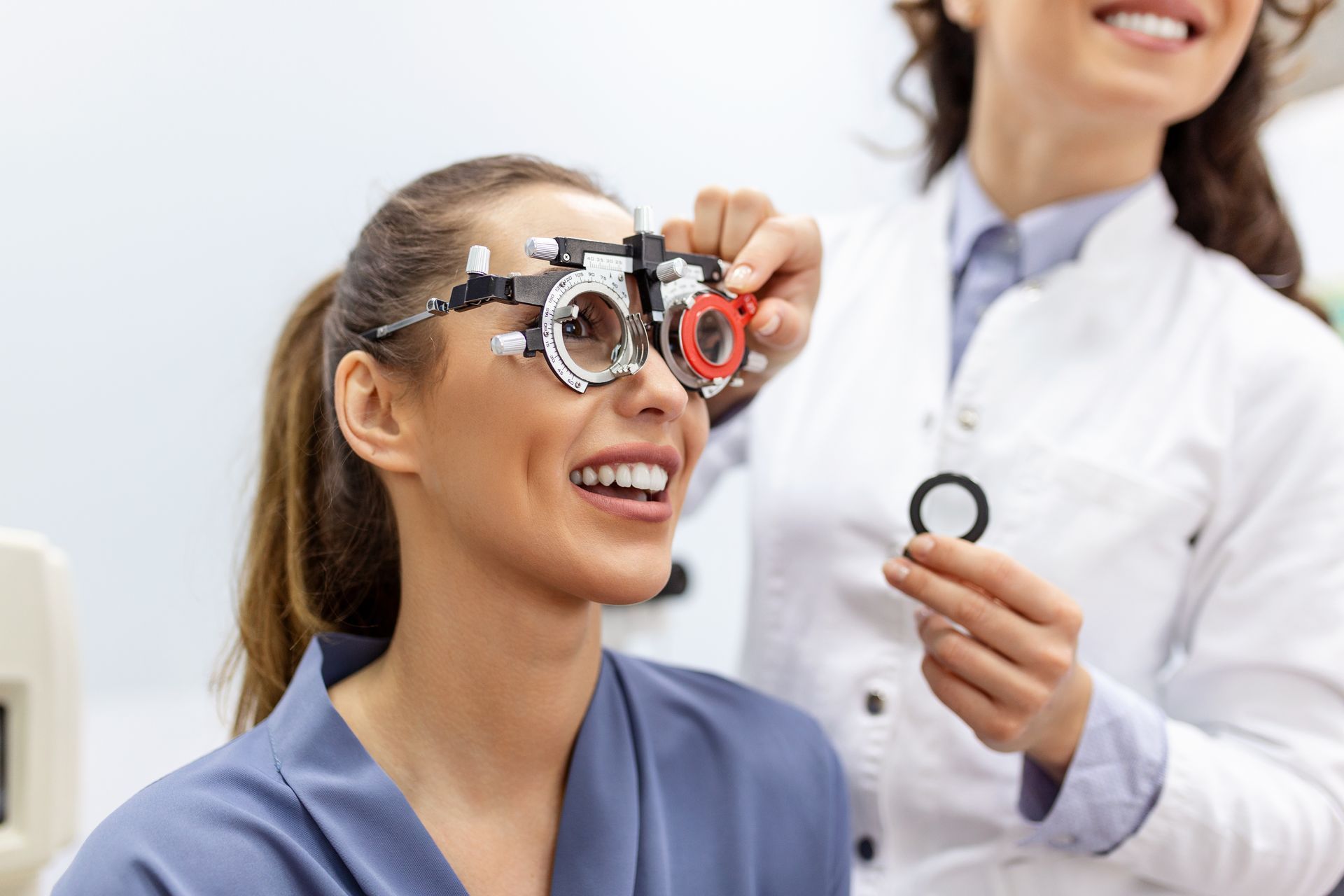
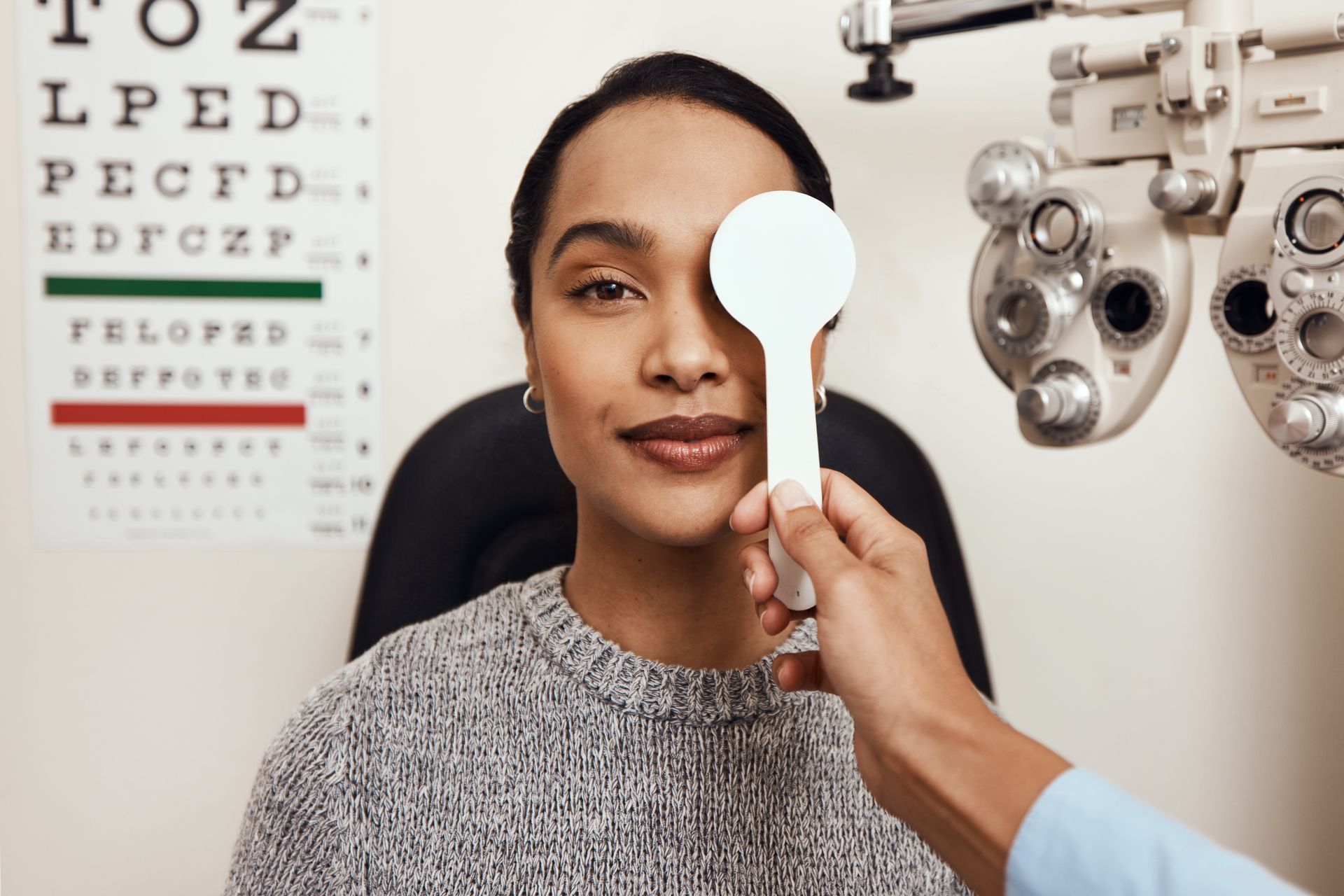
Nearsightedness, farsightedness, and astigmatism are among the most common vision problems detected during a routine exam. These refractive errors cause blurry vision at various distances and can contribute to headaches, eye strain, and difficulty concentrating. A yearly exam includes a full refraction test to measure exactly how the eye focuses light, so your doctor can update your prescription when needed.
What Other Conditions Can an Eye Exam Reveal?
A yearly exam may surface conditions that go beyond the eye itself. Skilled eye doctors can sometimes detect early signs of hypertension, high cholesterol, and even certain autoimmune conditions through changes in the blood vessels and tissues of the eye. This makes the exam a valuable part of overall preventive health care, not just vision maintenance.
List of services
-
CataractsList Item 1
Cataracts develop when the natural lens of the eye becomes cloudy, causing progressively blurry, dim, or glare-affected vision. They are common with age but can also develop earlier due to sun exposure, certain medications, or underlying health conditions. An annual eye exam allows your doctor to monitor cataracts as they develop and let you know when it may be time to discuss treatment.
-
Dry Eye and Other Surface ConditionsList Item 2
Dry eye disease, conjunctivitis, and other surface conditions of the eye can often be identified during a routine exam. Northwest Arkansas has warm, dry summers and significant seasonal allergy activity, which may worsen dry eye symptoms for many local residents. Catching and treating surface conditions early can prevent discomfort from becoming a longer-term problem.
-
Changes in Eye Pressure and Optic HealthList Item 3
Even if you do not have glaucoma, changes in eye pressure over time are worth tracking. Regular yearly exams create a baseline record that helps your doctor notice trends before they become urgent concerns.
Who Should Schedule a Yearly Eye Exam?
Annual eye exams benefit all adults. They are especially important for people over 40, individuals with diabetes or high blood pressure, those with a family history of glaucoma or macular degeneration, and anyone who spends long hours on screens. Children and teens can also benefit from yearly exams to catch vision problems that may affect learning and development.
Patients in the Springdale, AR, area can learn more about what a routine visit involves by visiting the
routine eye exams page, or review additional eye health topics on the
eye doctor in Springdale page.
Schedule Your Yearly Eye Exam in Springdale Today
Arkansas Eye Care Associates provides comprehensive Yearly Eye Exams serving Springdale, AR, and the surrounding Northwest Arkansas communities, including Fayetteville, Rogers, Bentonville, and Lowell. Their team uses advanced retinal imaging and thorough screenings to help detect glaucoma, macular degeneration, diabetic retinopathy, cataracts, and more. Spanish-speaking doctors are available, and same-day appointments may be an option.
Do not wait for symptoms to appear. Call
(479) 750-1248 to book your exam, or
schedule online today. Protecting your vision starts with one appointment each year.